What Do You Need to Start Doing Lashes? Beginner Kit Checklist.
Starting your lash training is exciting, but buying your first lash kit can quickly become confusing. There are so many tweezers, adhesives, lashes, tapes and accessories available that it’s easy to think you need to buy everything before you can start practising.
You really don’t.
After more than 12 years working as a lash artist and 8 years training lash students, I’ve found that beginners are much better off starting with a carefully selected kit of essentials. You can always add more products as your technique develops and you discover what you actually enjoy working with.
In this guide, I’ll explain what you need to start doing eyelash extensions, what each product is used for and which items you can wait to buy until later.
What Do You Need to Start Doing Eyelash Extensions?
At a basic level, you need the products and tools that allow you to isolate natural lashes, safely attach extensions and work hygienically.
Your beginner lash kit should include lash extensions, professional lash adhesive, at least two good-quality tweezers, eye pads or tape, lash cleanser, disposable applicators and the basic products needed to prepare and finish your sets.
You’ll also need somewhere suitable to practise, good lighting and eventually a comfortable setup for working on live models.
You don’t need dozens of different lash trays or every new product you see online. A smaller, well-chosen kit is enough to begin developing your technique.
Lash Extensions
Lash trays are obviously one of the main things you’ll need.
Extensions come in different curls, lengths, thicknesses and styles. As a beginner, you don’t need to purchase every possible combination.
Choose a useful selection that allows you to practise different lengths while learning how to create a balanced lash map.
If you’re learning Classic lashes, you’ll need individual Classic extensions. If your training includes Premade Volume, you’ll also need suitable premade fans.
As your experience grows, you can gradually expand your collection based on the styles your clients actually request.
Professional Lash Adhesive
A professional eyelash extension adhesive is essential.
Lash adhesive is designed to create a strong bond between the extension and the natural lash. Different adhesives have different drying speeds and may perform differently depending on temperature, humidity and the speed of the lash technician.
Beginners don’t necessarily need the fastest adhesive available. If an adhesive cures faster than you can comfortably isolate and place the extension, you may struggle with attachment and retention.
Learning how your adhesive behaves in your working environment is just as important as choosing the adhesive itself.
Always follow the manufacturer’s instructions for storage, use and replacement.
Isolation Tweezers
One of your tweezers will be used to isolate the natural lashes.
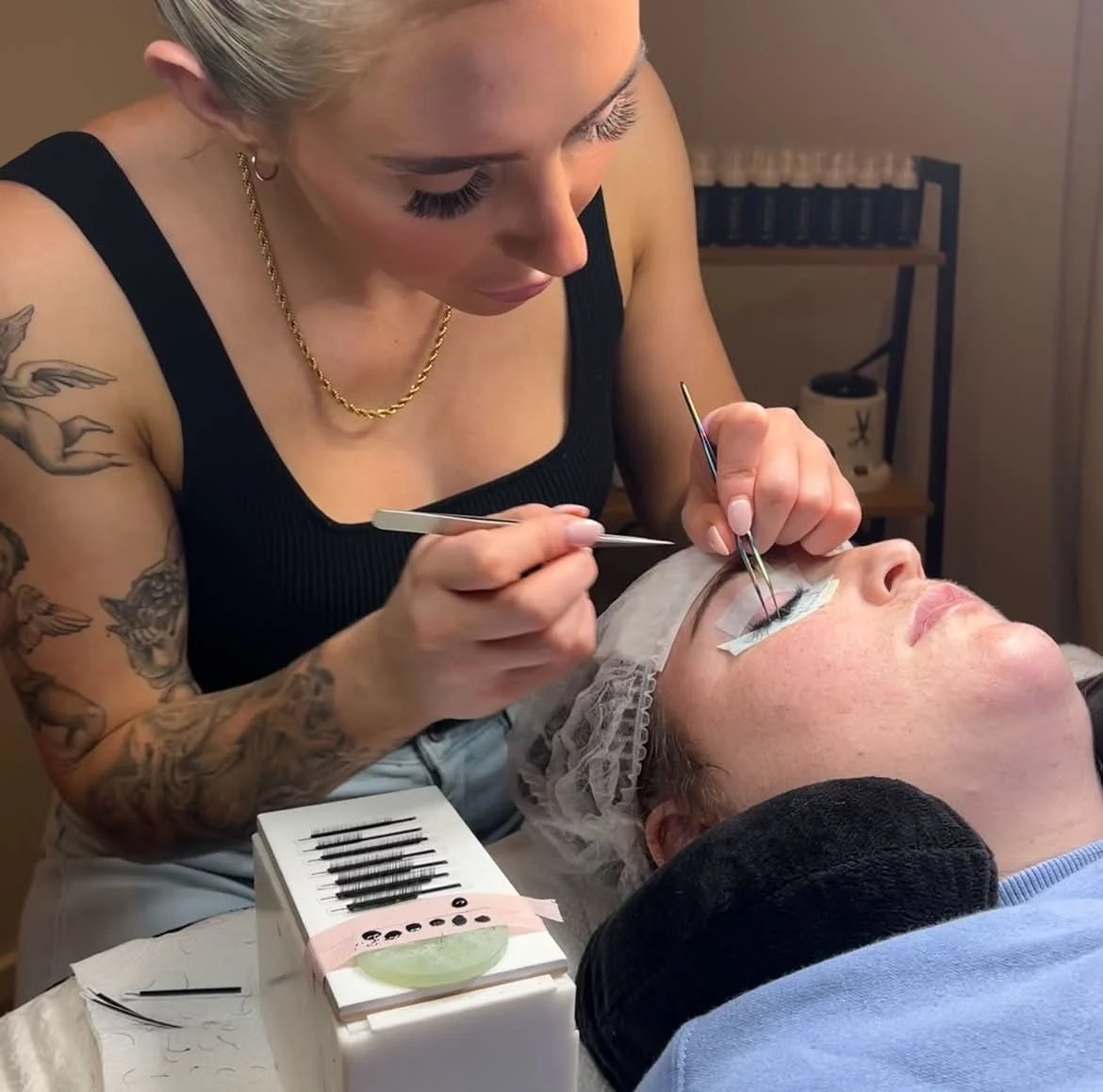
Good isolation is one of the most important skills you’ll develop as a beginner. Each natural lash needs to be separated so you can safely attach an extension without sticking neighbouring lashes together.
Isolation tweezers come in different shapes, and lash artists often develop personal preferences over time.
You don’t need a huge tweezer collection at the beginning. Start with a comfortable, good-quality isolation tweezer and learn how to control it properly.
Application Tweezers
Your second main tweezer is used to pick up and apply extensions.
The shape you need may depend on the technique you’re learning. A tweezer used for individual Classic extensions may feel different from one you prefer for picking up Premade Volume fans.
What matters most is that you can comfortably grip the extension and control its placement.
Tweezers are very personal tools. As you gain experience, you may eventually build a collection of favourites, but beginners can start with just a few reliable options.
Under-Eye Pads and Lash Tape
Under-eye pads and tape help separate the lower lashes from the upper lashes while you work.
Correctly securing the lower lashes is important because you don’t want them becoming attached to the extensions during the treatment.
Tape can also be useful for adjusting the eyelid slightly or helping you access difficult areas of the lash line.
Learning how to place eye pads and tape comfortably is part of your practical training. They should secure the lashes without causing unnecessary discomfort to your client.
Lash Cleanser
Clean natural lashes are important before you begin applying extensions.
A suitable lash cleanser helps remove makeup, oils and debris from the lashes before application.
Even when a client arrives without visible eye makeup, cleansing the lashes before the treatment is a good habit.
You’ll also need suitable disposable tools for cleansing and drying the lashes as part of your preparation routine.
Disposable Applicators
Small disposable tools are inexpensive but important parts of a lash kit.
Depending on your technique and products, these may include micro applicators, lip brushes, mascara wands and other single-use applicators.
They can be used during cleansing, preparation, removal and aftercare.
Because some tools come into contact with the client, understanding which items should be disposable and maintaining good hygiene practices should be part of your lash training.
Lash Palette or Tile
A lash palette or tile gives you a clean working surface for organising lash strips during an appointment.
Instead of repeatedly reaching into your lash trays, you can arrange the curls and lengths you plan to use before beginning the set.
Keeping your working area organised can make application much easier, especially when you’re still learning.
You can also label the lengths on your palette so you can quickly identify them while following your lash map.
Adhesive Holder
You’ll need somewhere appropriate to dispense your lash adhesive while you work.
Lash artists use different options, including adhesive stones, tiles, glue rings and disposable adhesive holders.
There isn’t one option that every lash artist must use. Your training may introduce you to different methods so you can find a setup that works comfortably for you.
Whichever method you choose, keep your adhesive area clean and use the product according to its manufacturer’s instructions.
Good Lighting
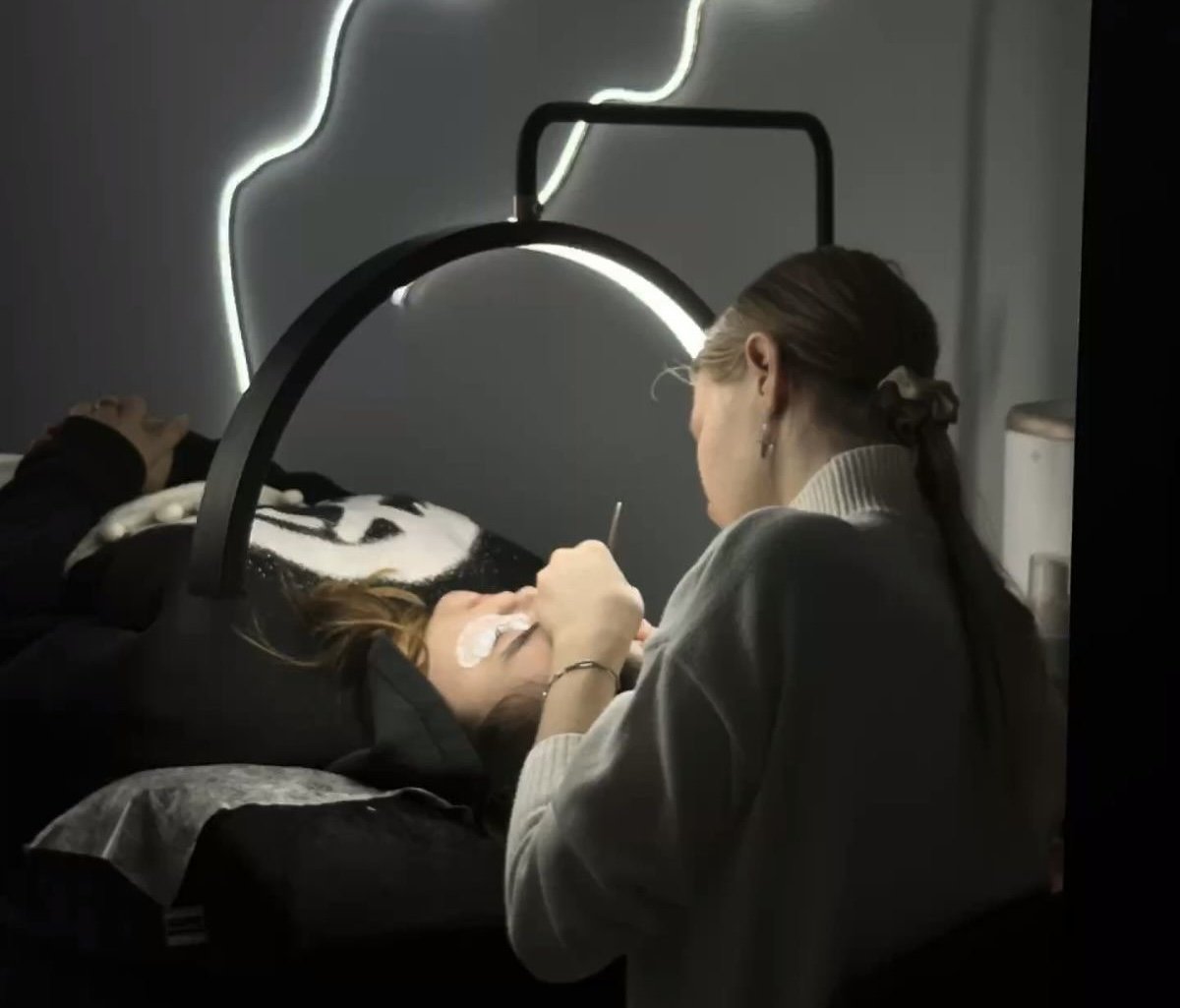
Good lighting is one of the most worthwhile investments in your lash setup.
Eyelash extensions involve working with very small natural lashes for long periods, so you need clear, even lighting across the client’s eyes.
A suitable beauty or lash lamp can make isolation easier and reduce the need to constantly reposition yourself to see the lash line.
Good lighting is also extremely useful when you start photographing your finished sets for your portfolio.
Lash Bed and Comfortable Seating
When you begin working on live models, you’ll need a safe and comfortable place for them to lie down.
A beauty bed or lash bed is the usual option.
You’ll also need a chair or stool that allows you to sit at an appropriate height while maintaining a comfortable working position.
Lash appointments can take several hours when you’re a beginner, so your setup matters for your own comfort too. Poor posture can quickly become uncomfortable when you’re concentrating on detailed work for long periods.
Mannequin or Practice Lashes
Before working on live models, practising basic movements can help you become familiar with your tweezers.
Training lashes, mannequin heads or other practice tools can be useful for learning pickup, placement and basic lash mapping.
However, practice tools can’t completely recreate working with real natural lashes.
Eventually, supervised or carefully planned practice on live models is important because real lashes grow in different directions, densities and stages.
Lash Remover
Professional lash remover allows extensions to be removed when necessary without pulling them from the natural lashes.
Knowing how to safely remove extensions is an important part of beginner training.
Never simply pull or pick extensions from natural lashes.
Follow the instructions for the professional removal product you’re using and learn correct removal technique before offering it as a service.
Hygiene and Cleaning Supplies
Your lash kit isn’t only about extensions and adhesive.
You also need appropriate products and processes for keeping your tools, hands and working environment clean.
Reusable tools such as tweezers need to be handled and cleaned appropriately between clients, while single-use items should be disposed of after use.
Your exact hygiene requirements may also depend on where you work and any applicable local requirements, so hygiene and safe working practices should be covered during your professional training.
Do You Need a Huge Lash Kit to Start?
No. One of the biggest mistakes beginners can make is buying too much before they understand what they actually need.
It’s very easy to spend hundreds of dollars on different curls, adhesives, tweezers and accessories because they look useful online.
Start with the essentials required for your training and practice.
Once you begin working with different products, you’ll quickly develop preferences. You might discover that you love a particular tweezer shape, use certain curls much more frequently or prefer one type of lash palette.
That’s the right time to expand your kit.
How Much Does a Beginner Lash Kit Cost?
The cost can vary considerably depending on the brands, number of lash trays and equipment you choose.
Your consumable lash products are only one part of the cost. If you’re setting up a complete workspace, you may also need to budget for a lash bed, lighting, storage and seating.
This is why it’s important to check exactly what is included when comparing lash courses. A course that includes a useful professional starter kit may save you from having to work out every individual product yourself.
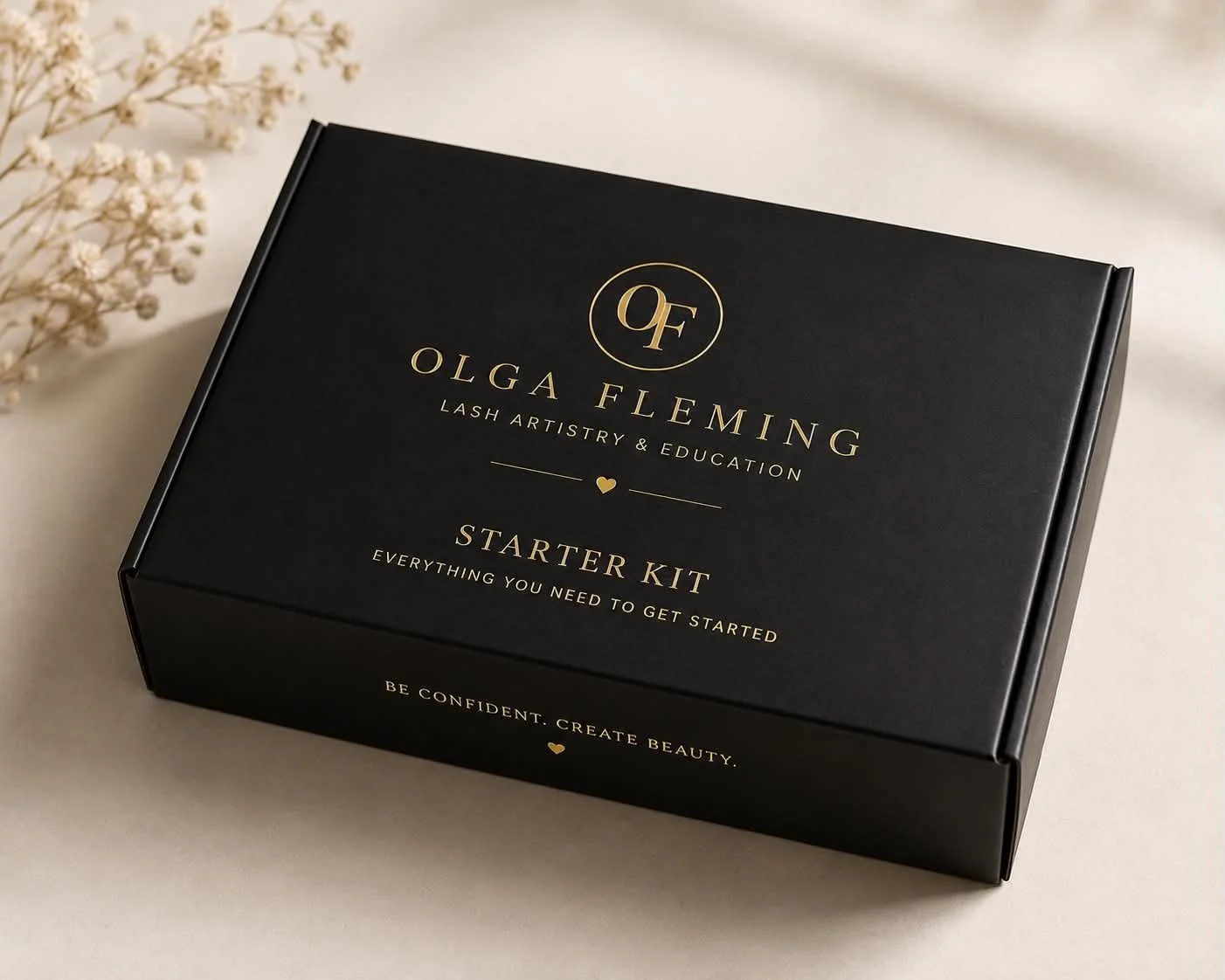
My optional beginner Starter Kit is designed to give students the core products and tools they need to begin practising alongside my Online Lash Course.
Should Your Lash Course Include a Starter Kit?
A starter kit can be extremely helpful, particularly when you’re completely new to the industry.
Instead of trying to work out which adhesive, tweezers, lashes and accessories are suitable, you can begin with products selected specifically for the techniques you’re learning.
However, don’t judge a lash course purely by the size of its kit.
A huge box of products doesn’t necessarily mean better training. The quality of the education, technique demonstrations, safety information, support and practice guidance matter much more.
Think of the kit as a tool for completing your training, not the training itself.
What Should You Avoid Buying as a Beginner?
Try not to buy products simply because you’ve seen another lash artist using them on social media.
Experienced technicians often have large collections because they’ve built them gradually over years.
You probably don’t need every curl, every coloured lash, multiple adhesives or a large collection of specialised tweezers when you’re learning your first sets.
You also don’t need to invest heavily in advanced products for techniques you haven’t learned yet.
Spend your money on good training and the essentials first. You can build the rest of your collection as your skills and client base grow.
What Else Do You Need Before Taking Paying Clients?
Owning a lash kit doesn’t automatically mean you’re ready to work with paying clients.
Before charging for your services, you should understand safe application, isolation, adhesive control, lash selection, hygiene, consultations, aftercare and removal.
You also need enough practical experience to complete a set safely and recognise when something isn’t right.
Depending on how and where you plan to work, you should also investigate appropriate insurance, local requirements and the practical side of operating your lash business.
Your products are important, but your knowledge and application skills are what make the service professional.
My Beginner Lash Kit Advice After 12+ Years in the Industry
If I were starting again, I would keep my first kit simple.
I’d invest in good training, reliable tweezers, appropriate professional products and enough lash options to properly practise the techniques I was learning.
Then I’d spend my time practising rather than constantly shopping for new products.
As your technique improves, you’ll understand exactly what you want to add to your kit. You’ll make much better purchasing decisions once you have real experience behind them.
My Online Lash Course teaches beginners Classic, Hybrid and Premade Volume techniques step by step. Students can also add my optional Starter Kit if they want the essential products selected for them.
If you prefer hands-on learning, I also offer private one-to-one lash training in Christchurch, which includes a professional lash kit as part of the training.
You don’t need everything to start doing lashes. You need the right foundations, the essential tools and plenty of focused practice.
