How Much Does It Cost to Start a Lash Business in NZ?
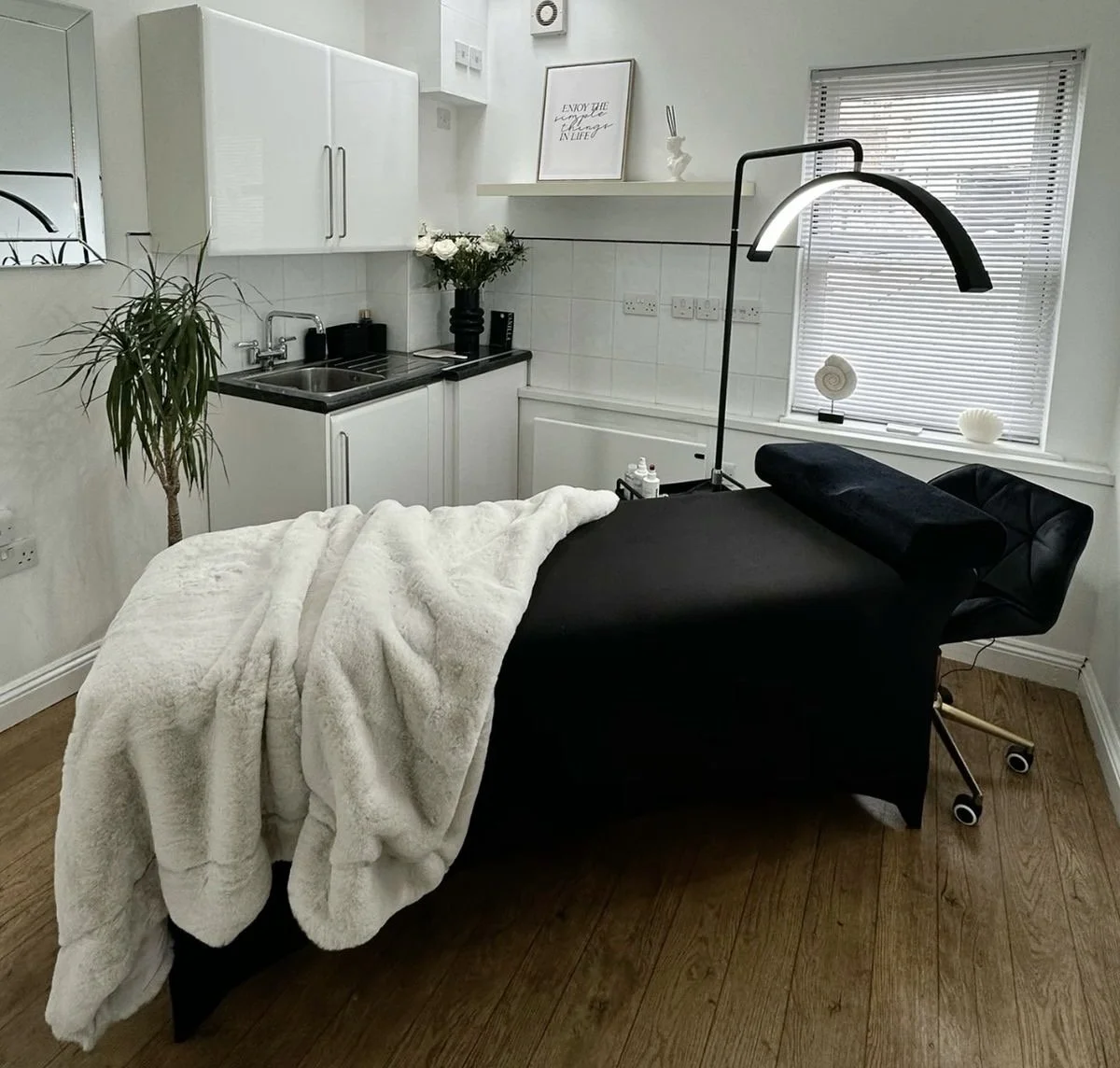
If you’re thinking about becoming a lash technician, one of the first questions you’ll probably have is: how much does it actually cost to start a lash business in New Zealand?
The answer depends on how you want to start. A lash technician working from a small home studio will have very different expenses from someone renting a room or opening a commercial salon. Your training, equipment and the products you choose will also affect your initial investment.
After more than 12 years working in the New Zealand lash industry and 8 years training lash students, I’ve seen that you don’t need an enormous budget or a beautiful salon to get started. What matters more is investing in good training, safe professional products and a practical setup that allows you to produce quality work.
In this guide, I’ll break down the main costs to consider when starting a lash business in NZ and explain where I think beginners should spend their money first.
How Much Does It Cost to Start a Lash Business in New Zealand?
There isn’t one fixed amount, but a small home-based lash business can often be started much more affordably than a traditional beauty salon.
Your biggest initial expenses are likely to include lash training, your starter products and tools, a lash bed, good lighting, seating and basic business setup costs.
You may also need insurance, cleaning and hygiene supplies, storage, booking software, marketing and additional lash stock as you begin taking clients.
The important thing is to separate what you genuinely need to start from what would simply be nice to have.
You can upgrade your room, buy more lash trays and invest in additional equipment once your business begins generating income.
1. Lash Training
For most beginners, professional training should be one of the first costs you budget for.
Prices for lash courses in New Zealand vary significantly depending on whether you choose online training, group classes or private one-to-one education.
Online courses are generally the most affordable option and can be a good starting point if you’re comfortable learning independently and practising in your own time.
In-person training usually costs more because you’re paying for direct access to an educator, practical supervision and often a starter kit.
Rather than choosing a course purely because it’s the cheapest, look carefully at what you’ll actually learn, how much support is available and whether you can return to the training materials afterwards.
Good education can save you a lot of frustration and unnecessary product purchases later.
2. Your Beginner Lash Kit
Your next major expense will usually be your lash products and tools.
A beginner kit may include lash trays, professional adhesive, tweezers, eye pads, tape, lash cleanser, disposable applicators and other application essentials.
You don’t need every curl, length and thickness available when you’re starting.
Choose enough products to properly practise the techniques you’re learning, then expand your collection as you discover what you actually use.
My optional beginner Starter Kit, for example, is NZ$225 and is designed to provide students with the core products they need to begin practising alongside my online training.
A carefully selected smaller kit is usually a much better investment than buying a huge collection of random products before you understand how to use them.
3. Lash Bed
Once you begin practising on live models, you’ll need somewhere comfortable and appropriate for them to lie down.
A beauty bed or lash bed doesn’t need to be extremely expensive when you’re starting.
Many new lash technicians begin with a simple portable beauty bed and upgrade later once they’re earning regularly from clients.
Think about stability, height, client comfort and how much space you have available.
You’ll probably also want pillows or supports that help keep both you and your client comfortable during longer appointments.
4. Professional Lash Lighting
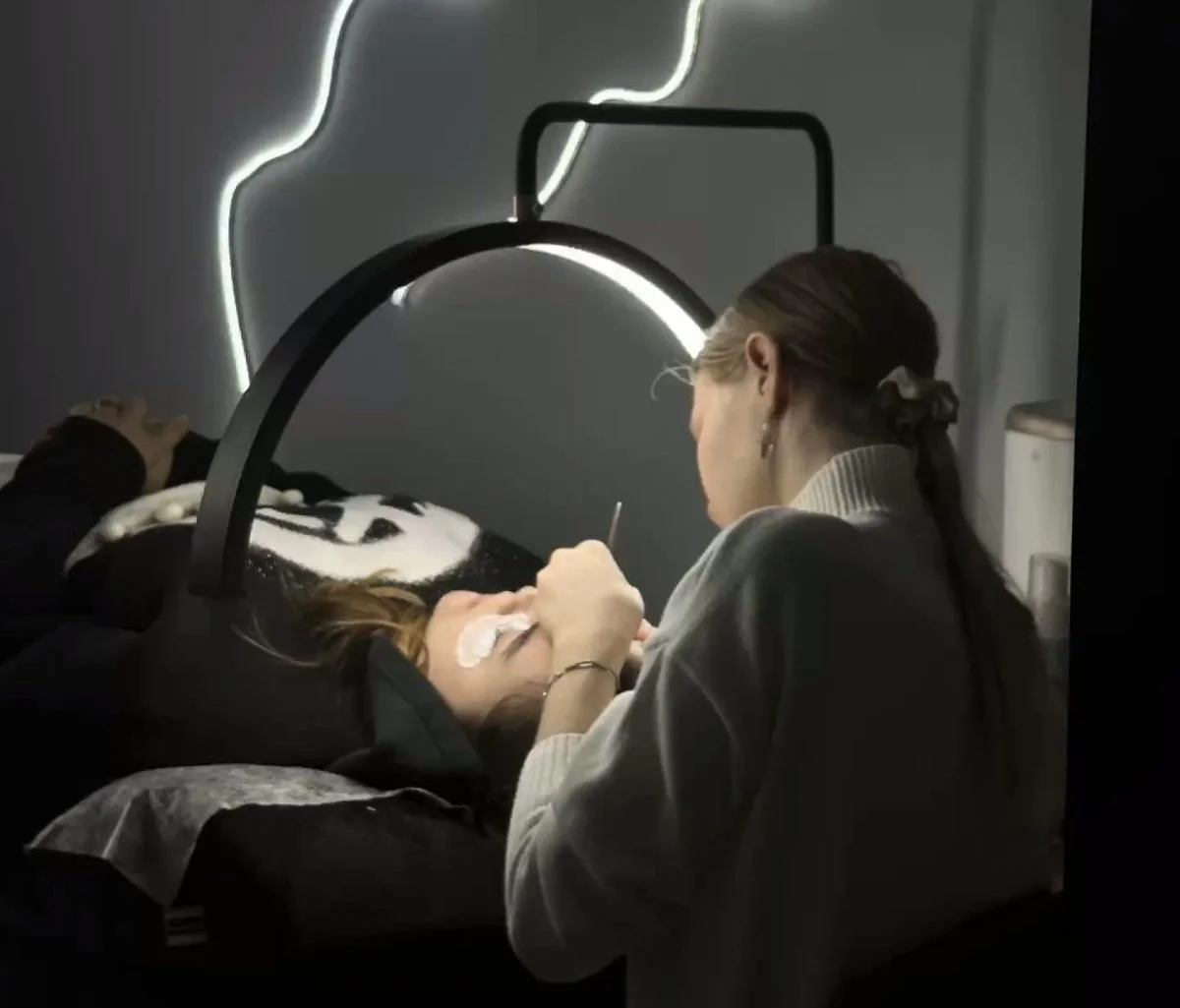
Good lighting is one area where I wouldn’t try to save too much money.
Lash application requires you to see very fine natural lashes clearly for long periods. Poor lighting can make isolation and placement much more difficult.
A suitable beauty lamp or lash light also helps enormously when you begin taking photographs of your finished work.
Your first lamp doesn’t necessarily need to be the most expensive professional model available, but it should provide clear, consistent lighting across your working area.
5. Lash Technician Chair or Stool
Your own comfort matters too.
Beginner lash sets can take several hours, so sitting in an uncomfortable position repeatedly can quickly become a problem.
Choose a chair or stool that allows you to work at an appropriate height relative to your client.
You can always upgrade later, but make sure your initial setup allows you to maintain a reasonably comfortable working position.
6. Hygiene and Cleaning Supplies
Cleaning and hygiene products need to be included in your startup budget.
You’ll need appropriate supplies for maintaining your workspace, handling reusable tools and using disposable items where required.
These products might not be the exciting part of setting up a lash business, but they are essential.
Safe working practices should be part of your training from the beginning rather than something you think about only after you start taking clients.
7. Insurance
Before taking paying clients, investigate appropriate insurance for your lash business.
The cost will depend on the provider, type of cover, services you offer and how your business operates.
Don’t assume that your normal household insurance automatically covers beauty services performed from home.
Explain exactly what you do when speaking with an insurer and check what documentation or training they require.
It’s much better to understand this before accepting your first paying client.
8. Setting Up a Home Lash Studio
Starting from home can significantly reduce the cost of launching your lash business because you don’t immediately have commercial rent.
You don’t need an Instagram-perfect studio.
You need a clean, organised and professional area where you can work safely and your clients can feel comfortable.
Your initial setup might include your lash bed, lamp, stool, trolley or storage unit and basic room furnishings.
You can improve the appearance of the space gradually as your income grows.
I work from a private home lash studio myself, and a well-organised home setup can provide a very professional client experience without the overheads of running a large salon.
9. Council and Local Requirements
Before opening a home-based lash business, check whether any local council requirements apply to your particular setup and services.
Requirements can vary depending on where you live, what services you provide and how you operate your business.
If you’re working from home, you may also need to consider things such as client access, parking, signage or whether your planned business activity affects the use of your property.
Don’t rely entirely on what another lash technician has been told in a different city. Check the requirements that apply to your own location.
10. Booking and Payment Systems
You’ll eventually need a simple way for clients to book appointments and pay you.
When you’re starting, you don’t necessarily need an expensive business management system.
There are booking platforms with different pricing structures, and some lash technicians initially manage appointments themselves while their client base is small.
As you become busier, online booking, automatic reminders and deposits can save a considerable amount of time.
Choose systems based on what your business actually needs rather than paying for lots of features you won’t use yet.
11. Business Name, Branding and Logo
This is an area where beginners often spend more than necessary.
You don’t need expensive professional branding before you’ve taken your first client.
A simple business name, clean visual style and professional-looking social media profile are enough to get started.
Your work will sell your lash business much more effectively than an expensive logo.
You can invest in professional branding later once you understand the direction you want your business to take.
12. Website and Social Media
You also don’t necessarily need an expensive website on day one.
Social media can help you begin displaying your work and building a portfolio while you’re still practising.
As your business develops, a website can become valuable for appearing in Google searches, explaining your services, displaying reviews and allowing clients to find and book you without relying entirely on social media.
I use both my website and social media now, but they serve a business that has developed over many years. A beginner doesn’t need to recreate an established business setup immediately.
Start with what helps you find and serve your first clients.
13. Marketing Your New Lash Business
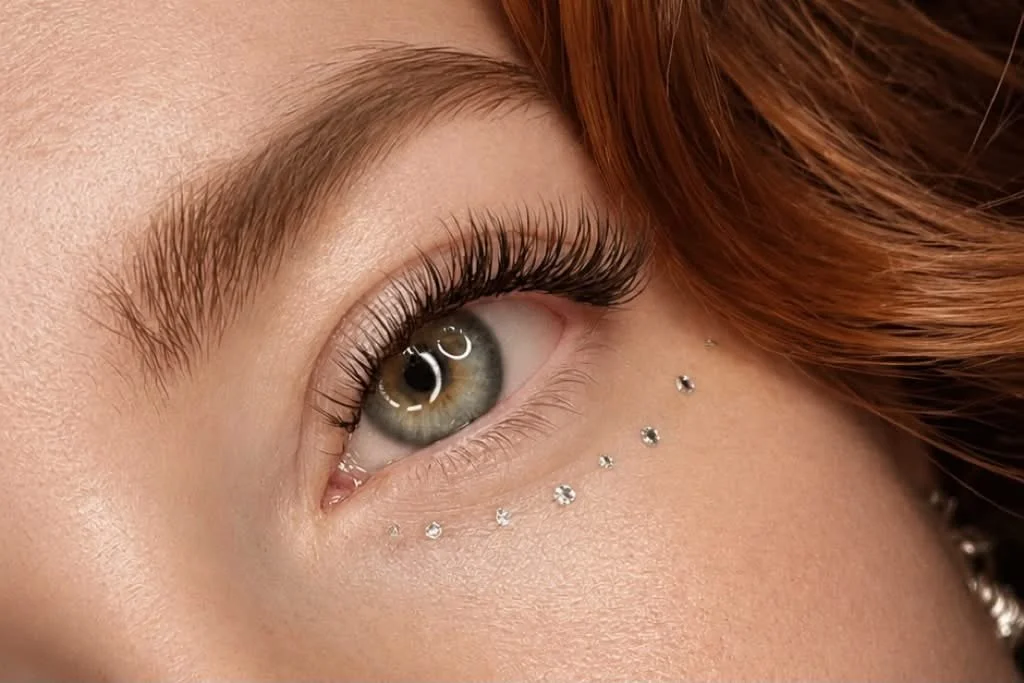
You don’t need a huge advertising budget to find your first lash clients.
Some of your earliest clients may come from friends, family, local community groups, referrals and people who see your work on social media.
At the beginning, your biggest marketing asset is your portfolio.
Take clear photographs of your practice sets and continually replace older images as your work improves.
Client reviews and word-of-mouth recommendations become increasingly valuable once you begin working with paying clients.
Paid advertising can come later if you decide you need it.
What Are the Ongoing Costs of a Lash Business?
Your startup costs aren’t the only expenses to consider.
Once you begin taking clients, you’ll regularly replace lash trays, adhesive, eye pads, tape, cleanser, disposable applicators and other consumable products.
You may also have ongoing costs for insurance, booking software, payment processing, website hosting, marketing and professional development.
If you rent a salon room or commercial space, rent can become one of your largest ongoing expenses.
Understanding these costs is important when you eventually decide how much to charge for your lash services.
Is It Cheaper to Start a Lash Business From Home?
Usually, yes.
Working from home can remove one of the largest expenses faced by beauty businesses: commercial rent.
It can also allow you to begin with a smaller client base without needing to generate enough revenue immediately to cover substantial overheads.
However, a home studio still needs to be professional.
Think about privacy, cleanliness, lighting, client comfort, access and the practical impact of having clients coming to your property.
For the right person, starting from home can be a very practical way to build a lash business gradually.
What Should You Spend the Most Money On?
If your budget is limited, I would prioritise your education, reliable professional products, good tweezers and appropriate lighting.
These things directly affect your ability to learn and perform the service.
I wouldn’t prioritise expensive decor, a custom logo, huge amounts of lash stock or the latest equipment simply because other lash artists have it.
A beautiful studio won’t compensate for poor isolation or unsafe application.
Build your technical skills first.
Where Can You Save Money When Starting?
There are plenty of areas where you can keep your initial costs down.
Start with a simple treatment bed rather than a luxury electric beauty bed. Buy enough lash stock for training rather than every available curl. Use practical storage instead of custom salon furniture.
You can create your own social media content and build your portfolio while you practise rather than paying for professional marketing immediately.
Most importantly, avoid repeatedly buying products because you think a different adhesive or tweezer will instantly solve a technique problem.
Sometimes the solution is simply more practice.
What Should You Not Buy When Starting a Lash Business?
You probably don’t need a huge lash inventory, several adhesives, dozens of tweezers or expensive salon furniture at the beginning.
You also don’t need every new lash product promoted on social media.
It’s very easy to turn shopping into part of the excitement of starting a new business, but unused stock quickly becomes wasted money.
Buy products because you know why you need them, not because another lash artist owns them.
As your client base develops, your actual bookings will tell you which curls, lengths, colours and styles are worth stocking.
Can You Start a Lash Business With No Clients?
Yes. Every lash technician starts somewhere.
Before worrying about building a full appointment book, concentrate on becoming confident enough to produce safe, consistent work.
Practise on models, photograph your results and begin building a small portfolio.
Your first clients may come from people you already know, referrals or local social media.
Once you begin producing work people genuinely like, those early clients can become an important source of reviews, repeat appointments and recommendations.
How Long Does It Take to Make Your Startup Money Back?
There’s no single answer because it depends on how much you invest, what you charge and how quickly you build your client base.
A small home lash business with relatively low overheads may have a much lower break-even point than a commercial salon.
Instead of concentrating only on recovering your startup investment as quickly as possible, make sure your pricing eventually accounts for products, time, business expenses and the skill involved in your service.
Building repeat clients is particularly important because lash extensions are a maintenance service. A happy client who returns regularly can be much more valuable to your business than constantly trying to find new clients.
Is Starting a Lash Business in NZ Worth It?
It can be, particularly if you enjoy detailed work, working independently and building relationships with regular clients.
A lash business can also be relatively flexible compared with some traditional beauty businesses, especially if you work from home and control your own appointment schedule.
But it isn’t instant money.
You need time to learn the technique, practise, build a portfolio and develop a reliable client base.
After more than 12 years in this industry, I still believe strong technical skills and client retention are much more important than trying to grow quickly.
A smaller group of loyal clients who trust your work can build a very sustainable business.
How I Would Start a Lash Business Today
If I were starting again, I would keep everything very simple.
I would choose good beginner training, buy only the products I needed to practise, create a clean home workspace and spend as much time as possible improving my technique.
I would use models to build a portfolio, start collecting genuine reviews once I was ready for paying clients and gradually reinvest some of my income into better equipment and additional stock.
I wouldn’t spend thousands making the business look established before the actual lash work was established.
Your skill is the foundation of the business.
My Online Lash Course teaches complete beginners Classic, Hybrid and Premade Volume techniques, with lifetime access, personal support and a Certificate of Completion. An optional beginner Starter Kit is also available if you want the core lash products selected for you.
For students who prefer hands-on learning, I also offer private one-to-one lash training in Christchurch, combining online theory with four practical training sessions and live model work.
Starting a lash business doesn’t have to mean opening a salon or spending thousands on equipment immediately. Start with education, essential tools and strong technique, then allow the business to grow alongside your skills.
