Do Lash Technicians Need Insurance in New Zealand? A Beginner’s Guide
If you're planning to become a lash technician in New Zealand, insurance might not be the first thing you think about. Most beginners are focused on learning lash application, buying their first kit, practising their technique and eventually finding their first clients.
But once you start offering eyelash extensions as a paid service, you're running a business, even if you're working by yourself from a small home studio.
So, do lash technicians need insurance in New Zealand, and what type of cover should you consider before taking paying clients?
Do Lash Technicians Need Insurance in NZ?
There isn't one single insurance policy that every lash technician in New Zealand is legally required to purchase simply because they offer eyelash extensions.
However, that doesn't mean working without business insurance is a good idea.
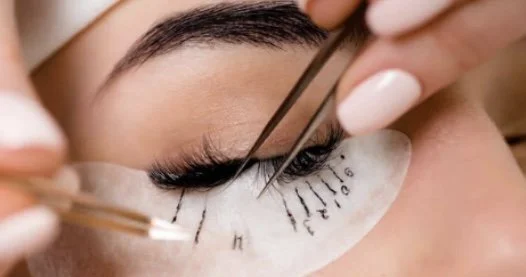
Eyelash extensions involve working extremely close to a client's eyes while using adhesives, removers, tweezers and other professional products. Even when you follow correct procedures, there are still risks involved in providing a beauty service.
Business.govt.nz recommends that businesses and self-employed people consider appropriate liability cover based on the risks involved in their work.
For a lash technician, it is worth discussing your individual circumstances with an insurer or insurance broker who understands beauty businesses.
What Insurance Should a Lash Technician Consider?
The exact cover you need will depend on how and where you work, the treatments you provide and the conditions of the particular insurance policy.
Two types of insurance you may hear about when starting a lash business are public liability insurance and professional indemnity insurance.
Public Liability Insurance
Public liability insurance is designed to protect a business against certain claims involving accidental injury to another person or damage to someone else's property.
For example, a client could trip over something in your studio or their belongings could accidentally be damaged while they're visiting your business.
Exactly what is covered will depend on your policy, so always check the wording rather than assuming a particular situation is included.
Professional Indemnity Insurance
Professional indemnity insurance generally relates to claims arising from the professional service or advice you provide.
Because lash artists provide a professional beauty service directly to clients, it is worth asking an insurer whether professional indemnity cover is appropriate for the treatments you offer and what circumstances the policy covers.
Some beauty-business insurance providers offer both public liability and professional indemnity options.
What If You Work From Home?

Working from a home lash studio doesn't mean your normal home insurance automatically covers your business activities.
If you operate your lash business from home, tell your insurer what you're doing.
Business.govt.nz specifically advises people using their homes for commercial purposes to check their home and contents policies because normal domestic insurance may not provide the cover they expect for business activities.
This is particularly important if clients regularly visit your property or you keep professional equipment and stock at home.
What About ACC?
ACC and business liability insurance aren't the same thing.
If you're self-employed in New Zealand, you will generally have ACC cover and pay ACC levies based on your work and liable earnings.
However, ACC does not replace every type of business insurance.
For example, your business may still have risks involving property damage, professional services, equipment or other liabilities that require separate insurance.
Does Your Lash Qualification Affect Insurance?
This is something every new lash technician should check directly with their chosen insurer.
Different insurance companies can have different eligibility requirements, exclusions and definitions of what treatments they will cover.
Before buying a policy, tell the insurer exactly what services you intend to provide, including eyelash extensions, and ask whether they require evidence of training or certification.
Don't assume that completing any particular lash course automatically guarantees that an insurer will cover you.
Why Proper Lash Training Still Matters
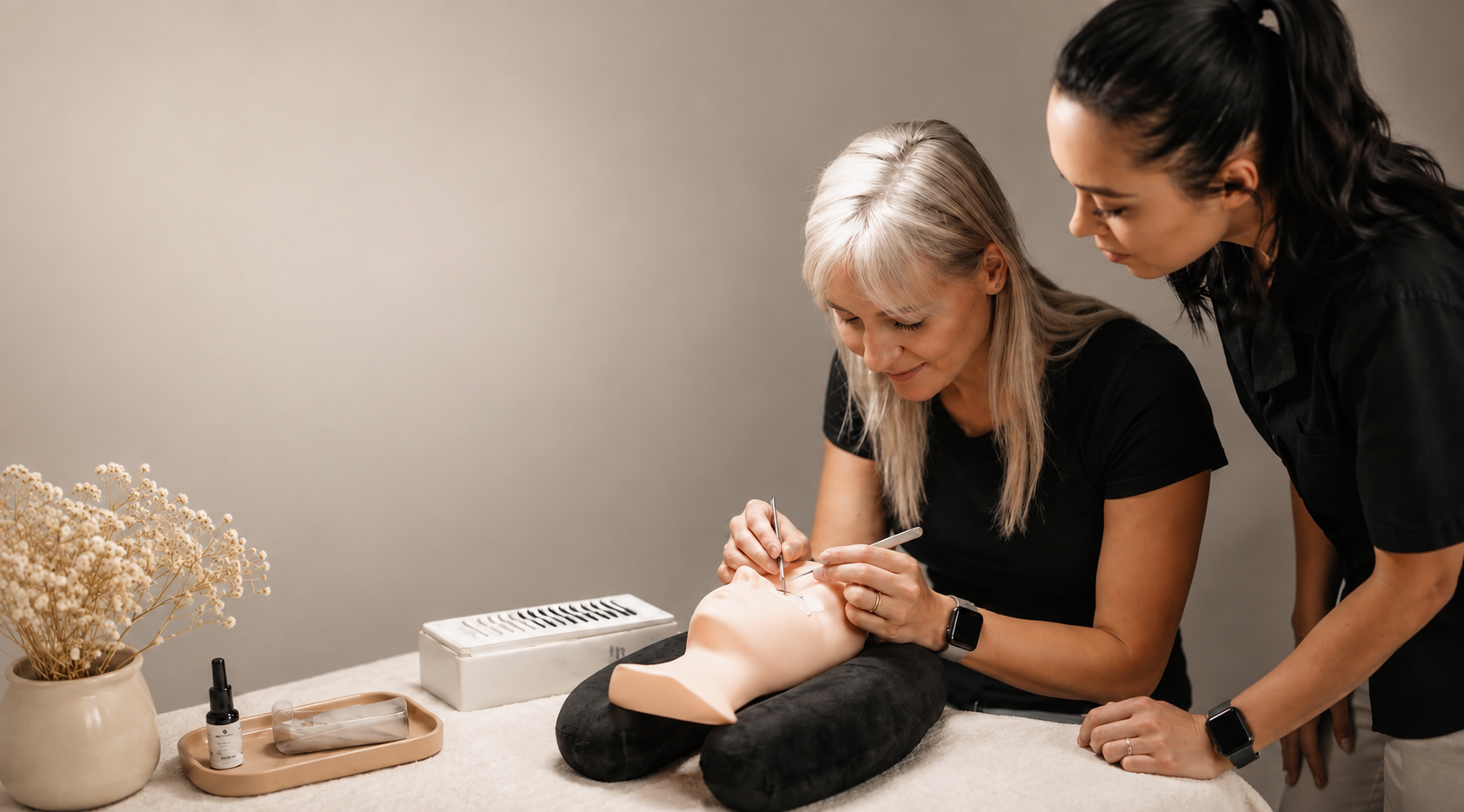
Insurance is only one part of preparing to work professionally.
Before accepting paying clients, a beginner lash technician should understand more than simply how to attach an extension to a natural lash.
Professional training should also cover areas such as:
eye and natural lash health
hygiene and safe working practices
client consultations
contraindications
correct lash isolation and application
adhesive use
lash mapping and styling
infills and safe removal
aftercare
retention
recognising when a treatment shouldn't be performed
Good technique and safe working practices can help you reduce risk while giving your clients a professional service.
Should You Get Insurance Before Taking Your First Paying Client?
This is a sensible time to investigate it.
Once you've completed your training, practised sufficiently and are preparing to charge clients, include insurance on your lash-business setup checklist.
Before opening your books to paying clients, you can:
Decide exactly which treatments you'll offer.
Contact an insurer or insurance broker experienced with beauty businesses.
Explain whether you'll work from home, rent a space or work from a salon.
Confirm that eyelash extension services are covered.
Ask whether your training or certificate needs to meet any particular requirements.
Read the policy wording, exclusions and excess carefully.
Tell your home insurer if clients will be visiting your home.
Insurance shouldn't replace good training, hygiene or professional procedures. It forms another layer of protection when you begin operating your business.
Starting Your Lash Career in New Zealand
If you're at the beginning of your lash career, you don't need to organise everything at once.
Start by learning correct application and safe working practices, spend time practising your skills, and gradually prepare the business side before taking paying clients.
My beginner-friendly Online Lash Course teaches Classic, Hybrid and Premade Volume eyelash extensions through step-by-step video training and practical demonstrations. It also covers consultations, aftercare, retention, infills and removal, pricing, business basics and photography.
You'll receive lifetime course access, personalised support and a Certificate of Completion, so you can learn at your own pace while developing the practical skills and confidence to work towards taking paying lash clients.
Ready to start learning? Explore my Online Lash Course →
Frequently Asked Questions
Is insurance compulsory for lash technicians in New Zealand?
There isn't a single blanket requirement for every lash technician simply because they perform eyelash extensions. However, insurance can protect against business risks, and the appropriate cover depends on your individual business and services. Check your circumstances with an insurer or broker.
What insurance does a self-employed lash technician need?
Public liability and professional indemnity are two types of cover worth discussing with an insurance provider. You may also need cover for business equipment, stock or other risks depending on how your business operates.
Do I need insurance if I only do lashes from home?
Running a business from home can affect your insurance. Tell your home insurer about your business activities and ask whether your existing policy covers clients visiting the property, business equipment and stock.
Does ACC cover lash technicians?
Self-employed people in New Zealand generally have ACC arrangements and pay levies, but ACC isn't a replacement for all forms of business insurance.
Can I get lash insurance with an online course certificate?
Insurance providers set their own requirements. Before enrolling solely for insurance purposes, or before purchasing a policy, ask the insurer whether your particular training and certificate meet its requirements.
Final Thoughts
Becoming a professional lash technician involves more than learning how to create beautiful lashes.
Training, safe working practices, client consultations, business preparation and appropriate insurance all contribute to running a professional lash business.
If you're still at the training stage, focus first on developing strong foundations. Once you're preparing to take paying clients, investigate insurance for your specific business setup and make sure you understand exactly what your policy does and doesn't cover.
