How Long Does It Take to Get Good at Lash Extensions?
One of the most common questions beginner lash artists ask is: how long will it take before I actually feel good at doing lashes?
The answer is different for everyone.
Learning eyelash extensions is not like memorising information for an exam. It is a practical skill that requires your hands, eyes and brain to learn how to work together.
You can understand isolation, placement and adhesive control perfectly in theory and still find them difficult when you first pick up your tweezers.
That is normal.
With good training, regular practise and useful feedback, your technique can improve significantly over time. The important thing is understanding what realistic progress looks like and not expecting professional-level work immediately.
Can You Learn Lash Extensions in One Day?
You can learn a surprising amount during a day of professional lash training, but that does not mean you will master eyelash extensions in one day.
Training teaches you the knowledge and techniques you need to begin practising correctly.
You may learn about natural lashes, products, isolation, adhesive, placement, styling, infills and removals. You may also practise application with an educator supervising you.
But your hands still need repetition afterwards.
Think of your lash course as the beginning of your development rather than the finish line.
How Long Does It Take to Learn the Basics?
Most beginners can understand the basic principles relatively quickly.
You can learn what correct isolation should look like, how an extension should be attached and how to select suitable lashes.
Actually performing those techniques consistently takes longer.
At first, even simple movements may require intense concentration. You might spend a long time finding one suitable natural lash, isolating it and positioning an extension correctly.
As you repeat those movements, they gradually become more automatic.
Why Do Lash Extensions Feel So Difficult at First?
You are working with extremely small lashes while using two tweezers at the same time.
One hand is isolating while the other is picking up, dipping and placing an extension. At the same time, you are thinking about adhesive, direction, distance from the eyelid, lash weight and where you are in your lash map.
That is a lot for a beginner to process.
Experienced lash technicians perform many of these actions automatically because they have repeated them thousands of times.
When you are new, your brain is consciously thinking through almost every movement.
That is one reason beginner appointments can take so long.
What Should You Focus on During Your First Few Practice Sets?
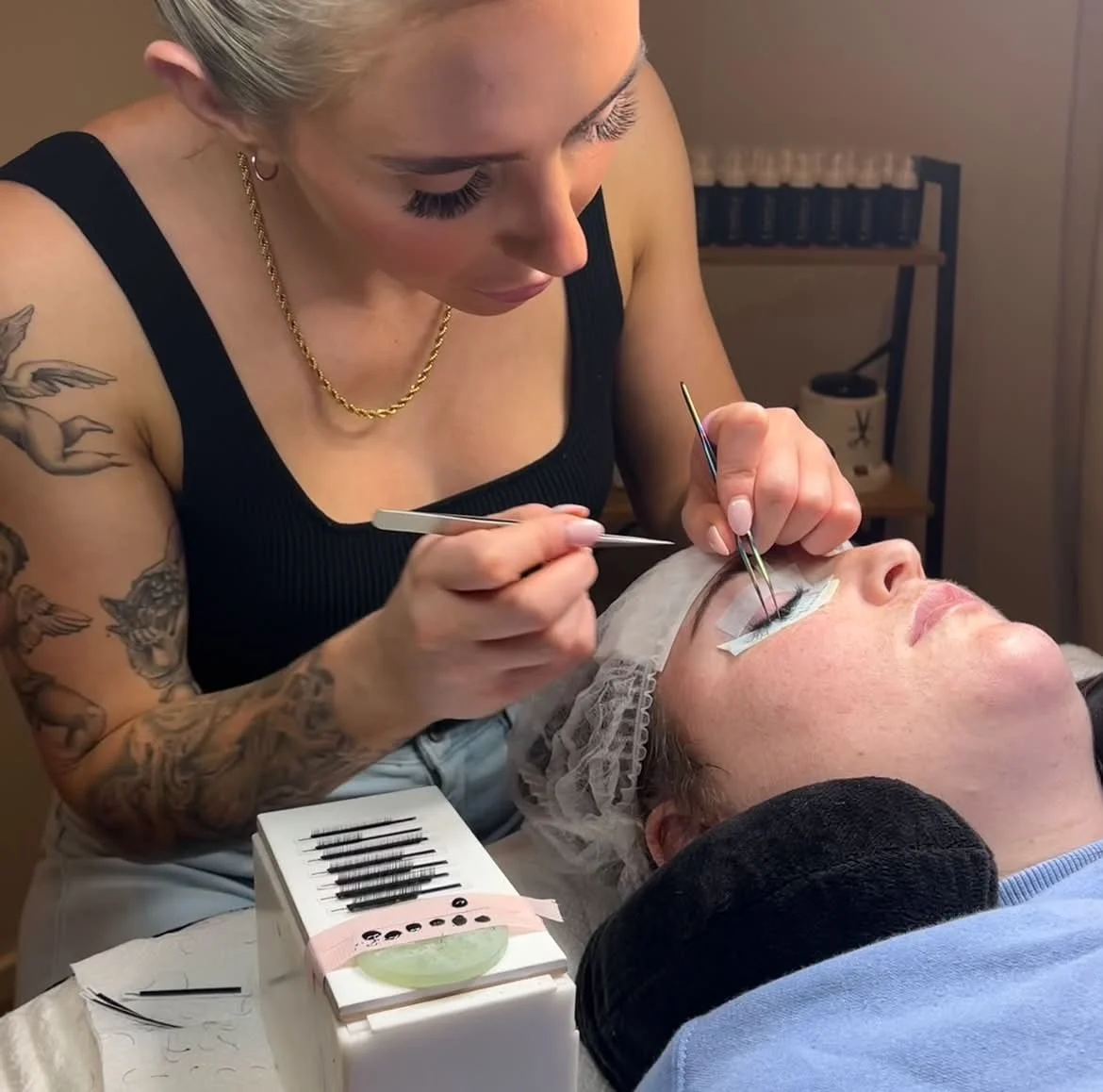
Do not make speed your priority.
Your early practice sets should focus on developing safe, controlled technique.
Pay particular attention to:
correct isolation
appropriate distance from the eyelid
clean attachment
adhesive control
suitable extension weight and length
avoiding stickies
consistent direction
A slower, clean set is much more useful for your development than a fast set with poor isolation and placement.
Your goal is to build good habits first.
How Often Should You Practise Lash Extensions?
Consistency makes a major difference.
Practising regularly allows your hands to retain the movements from your previous session.
If you practise once and then wait several weeks, you may spend part of your next session becoming comfortable with your tweezers again.
You do not necessarily need to practise every day.
For many beginners, one or two focused practice sessions each week can be a realistic starting routine.
What matters is that you continue practising rather than expecting your technique to improve simply because you completed a course.
I explain this process in more detail in my guide on how to practise lash extensions as a beginner.
When Do Lash Extensions Start to Feel Easier?
There is usually not one particular practice set where everything suddenly becomes easy.
Instead, you begin noticing small improvements.
You find isolation faster.
You stop thinking so much about how you are holding your tweezers.
Your adhesive pickup becomes more consistent.
Your extensions begin pointing in the direction you intended.
You complete more of the lash line in the same amount of time.
These small improvements accumulate.
This is why taking photos of your work is so useful. Your progress can be difficult to notice from one appointment to the next, but comparing your current sets with work from a few months earlier can reveal a significant difference.
How Long Should a Beginner Lash Set Take?
Beginner lash sets often take considerably longer than sets performed by experienced technicians.
That is not necessarily a problem.
If you are taking extra time because you are carefully isolating and checking your work, that time is being used productively.
Trying to force yourself to match an experienced technician's appointment time too early can cause you to rush.
As your movements become more efficient, your appointment times should gradually reduce without sacrificing application quality.
Speed should develop from better technique and repetition, not from skipping important steps.
When Should You Start Working on Speed?
Only after your fundamental application is becoming consistent.
Once you can isolate safely, control your adhesive and create reasonably clean placement, you can begin looking at where you lose time.
For example, you may spend too long searching for lashes, changing products, adjusting your tape or deciding which extension to use next.
Organisation and a consistent working system can improve your speed considerably.
But never reduce appointment time by compromising isolation or natural lash safety.
What Makes Some Beginners Improve Faster Than Others?
Natural coordination can play a role, but it is only one factor.
In my experience, the students who progress well tend to do several things consistently.
They practise regularly.
They take clear photographs of their work.
They ask questions when something is not working.
They accept feedback and deliberately correct mistakes.
They also avoid constantly changing their products and technique every time they see something different on social media.
Consistent practice with a clear method usually produces better progress than repeatedly starting again with a new technique.
Does Good Lash Training Help You Improve Faster?
Good training can help you avoid spending months trying to work out basic problems yourself.
An educator can explain why your attachment is lifting, why your direction looks uneven or why you keep creating stickies.
This does not remove the need to practise.
Instead, it helps ensure that the hours you spend practising are reinforcing good technique.
My Online Lash Course is designed for complete beginners and includes personal support so students can ask questions while they practise and develop their skills.
How Important Is Feedback From Your Lash Educator?
Very important, especially during the beginner stage.
You cannot always see your own mistakes.
A photo that looks beautiful from the front may reveal inconsistent direction or attachment when viewed from above.
Your educator can often identify a technical issue before you realise what is causing it.
When asking for feedback, send clear close-up photographs and explain what you are struggling with.
The more specific the question, the more useful the feedback can be.
When Will Your Lash Sets Start Looking Professional?
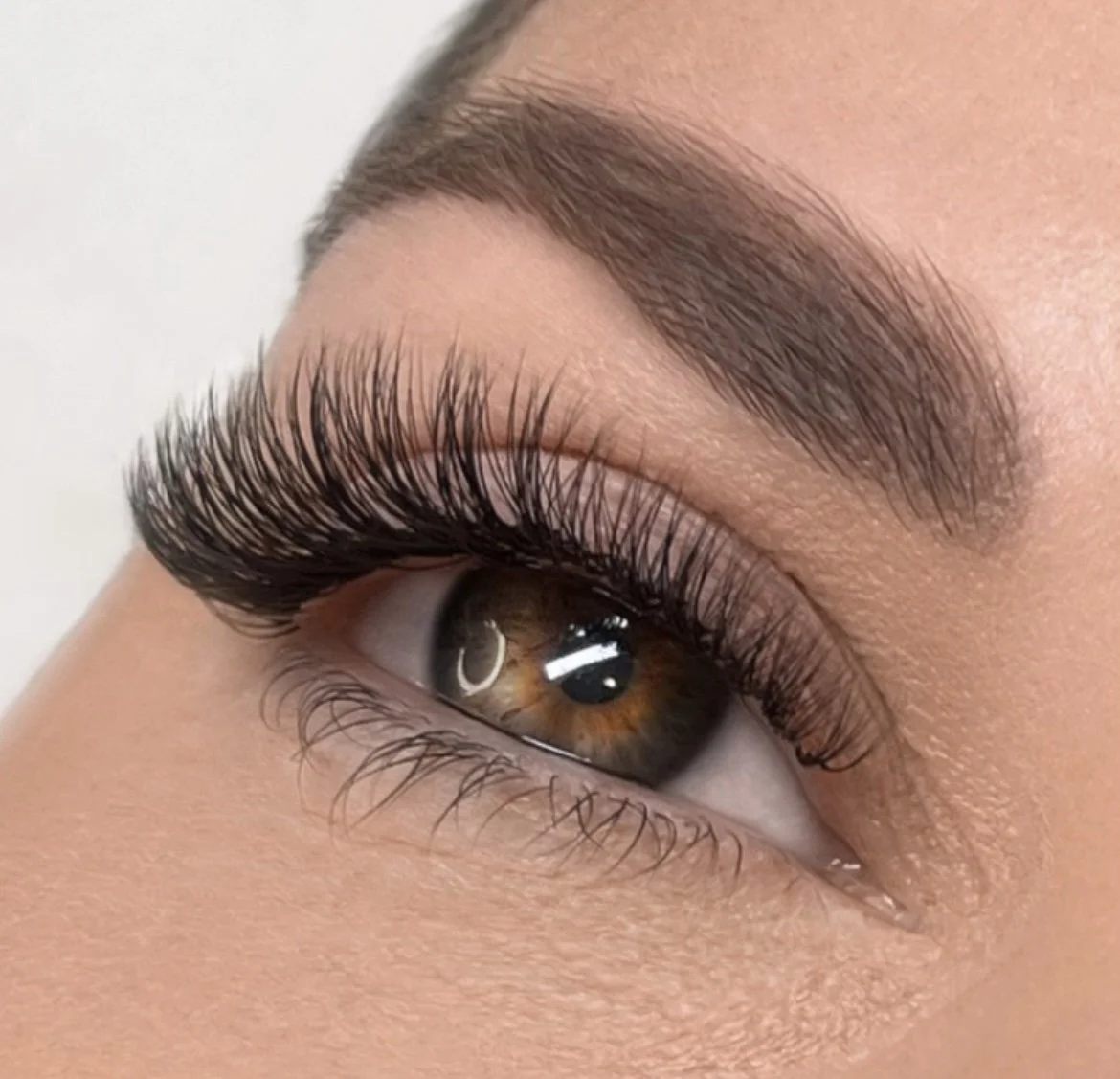
There is no fixed timeline because every beginner practises at a different frequency and starts with different levels of coordination.
Instead of measuring yourself against a particular number of weeks, look for signs of technical progress.
Your work is moving towards a professional standard when you can consistently create safe isolation, clean attachment, controlled adhesive use, appropriate styling and a balanced finished result.
You should also be able to recognise when something is wrong and know how to correct it.
Professional work is about consistency, not producing one beautiful set by accident.
How Long Does It Take to Feel Confident With Clients?
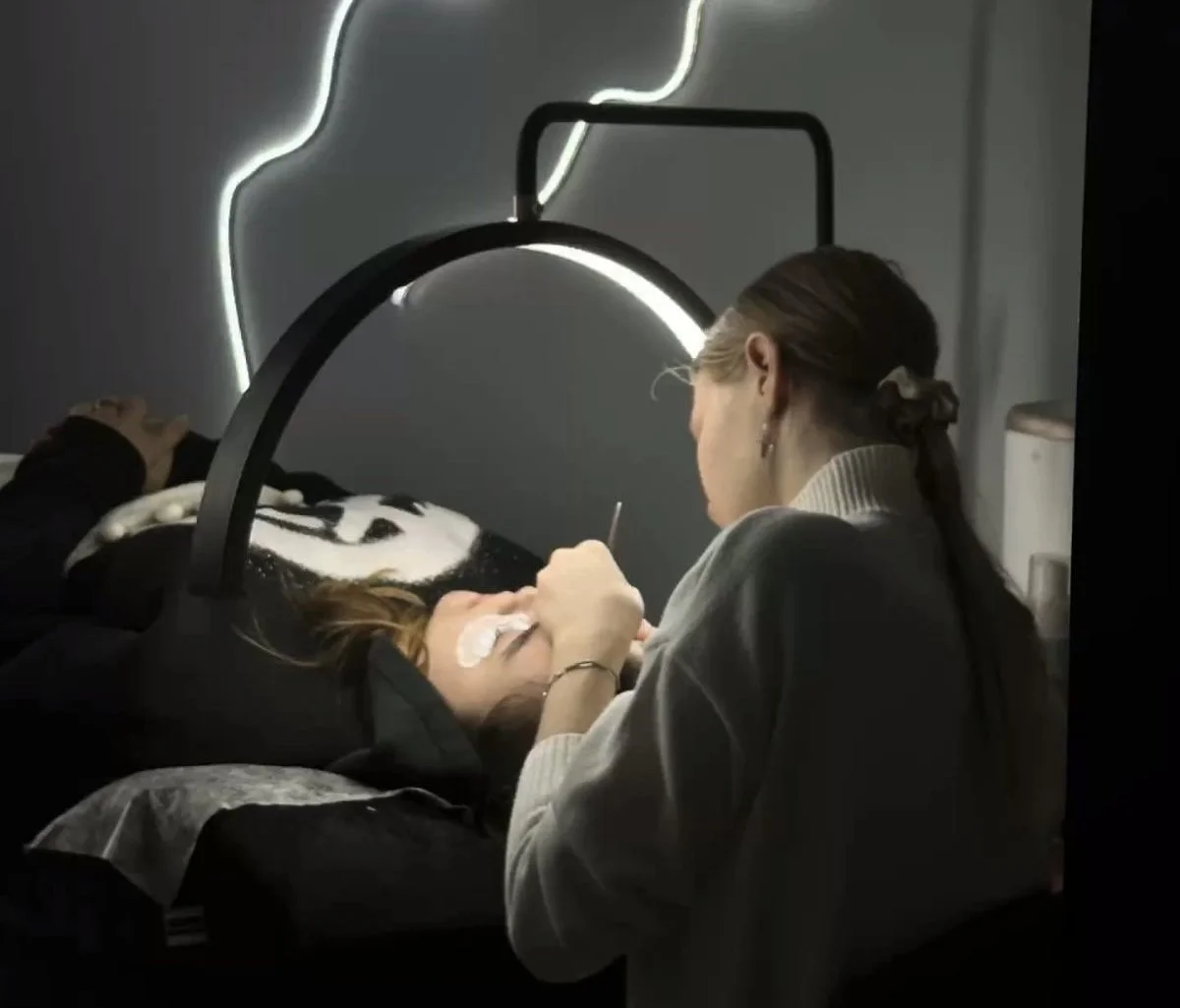
Technical ability and confidence do not always develop at exactly the same speed.
You might be able to create a good lash set but still feel nervous when a new client arrives.
That improves with experience too.
Consultations become easier, you encounter more natural lash types and you learn how to manage common situations without panicking.
The more clients and models you work with, the larger your reference library of experience becomes.
Eventually, situations that once felt stressful become routine.
Should You Practise on the Same Model or Different People?
Both are useful.
Working repeatedly on the same model lets you see how your application wears and allows you to practise infills.
You can observe retention and identify areas that may need improvement.
Working on different models teaches adaptability.
Different people have different natural lash density, layers, growth direction, eye shapes and sensitivity.
Once you are comfortable with the basics, working on a variety of models will help develop you into a more versatile lash technician.
What If You Feel Like You're Not Improving?
Almost every lash artist experiences periods where progress feels slow.
If this happens, stop simply completing full sets and identify the specific problem.
Is isolation taking too long?
Are your bases lifting?
Is your direction inconsistent?
Are you struggling with inner corners?
Choose one problem and focus your next practice session on improving it.
It can also be helpful to compare recent photos with older ones. Often you have improved more than you realise, but your standards have also become higher as your knowledge develops.
Don't Rush Into Advanced Techniques Too Quickly
Learning new techniques is exciting, but advanced training cannot replace weak foundations.
Before concentrating heavily on complicated styling or advanced Volume techniques, make sure your basic isolation, placement and adhesive control are reliable.
Strong fundamentals make advanced techniques easier to learn later.
There is nothing wrong with progressing gradually.
The goal is not to collect techniques as quickly as possible. It is to become consistently good at applying lashes safely and professionally.
When Are You Ready to Take Paying Lash Clients?
There is no universal number of weeks or practice sets that determines readiness.
Before charging clients, you should be able to work safely and understand the fundamentals of the service you are providing.
Your isolation should be reliable, your extensions should be placed appropriately, you should understand suitable lash selection and you should thoroughly check for stickies.
Your work does not need to look like that of someone with ten years of experience.
But you should be able to provide a safe service and understand your current limitations.
How Long Does It Take to Become an Experienced Lash Technician?
Becoming competent and becoming experienced are two different things.
You can develop solid application skills relatively early in your career, but experience comes from working with many different clients and situations over time.
You learn how different natural lashes behave, how environmental changes affect adhesive, how to adapt styling, how to improve retention and how to solve unexpected problems.
That knowledge continues developing for years.
I have worked in the New Zealand lash industry for more than 12 years, and I still believe continued learning is part of being a professional lash artist.
How Can You Improve Your Lash Skills Faster?
There is no shortcut that replaces practise, but you can make your practise much more effective.
Use good training as your foundation.
Practise consistently.
Take photographs.
Ask for feedback.
Correct mistakes rather than ignoring them.
Work on different models.
Focus on quality before speed.
And avoid comparing your first months with another artist's tenth year.
If you are still at the beginning of your training journey, my guide on how to choose your first lash extension course can help you understand what to look for before enrolling.
So, How Long Does It Really Take to Get Good at Lash Extensions?
There is no exact answer.
Some students progress quickly, while others need more time and repetition.
Rather than setting a deadline such as “I should be good in three months,” measure your progress by your technique.
Are you isolating more confidently?
Are your attachments cleaner?
Is your direction improving?
Are your sets becoming more consistent?
Are you solving problems that previously confused you?
If the answer is yes, you are progressing.
With proper education, regular practise and constructive feedback, your skills can continue improving long after your beginner course is complete.
Ready to Build Your Lash Skills?
My Online Lash Course teaches complete beginners Classic, Hybrid and Premade Volume techniques step by step.
You'll receive lifetime access and personal support, so you can revisit the lessons, ask questions and continue using the training as your technique develops.
