Lash Extension Certification in NZ: What Does It Actually Mean?
If you are looking for lash training in New Zealand, you will probably see words such as certified, qualified, accredited and Certificate of Completion used by different training providers.
For a beginner, this can be confusing.
Does completing a lash course make you a certified lash technician? Is a lash certificate a nationally recognised qualification? Do you legally need certification before you can offer eyelash extensions in New Zealand?
These are important questions to understand before choosing your training.
The terminology used within the lash industry is not always consistent, so it is worth looking beyond the wording on a course advertisement and understanding exactly what you will receive.
What Is a Lash Extension Certificate?
In most private lash training, a certificate is a document provided by the training provider after you have completed their course or met their completion requirements.
It shows that you have completed training with that particular educator or training business.
Exactly what was required to receive the certificate can vary considerably between courses.
One course may require students to watch online lessons and complete theory.
Another may include assessments, case studies, practical work, live models or educator feedback before a certificate is issued.
This is why the certificate itself should not be the only thing you compare when choosing a lash course.
The quality and depth of the training behind it matter much more.
Do You Need a Lash Qualification to Do Eyelash Extensions in New Zealand?
As of 2026, there is no single specific national lash qualification or licence that every eyelash extension technician in New Zealand must hold.
The Ministry of Health has stated that there is no national framework regulating the appearance industries as a whole, although some aspects of the wider industry are regulated and some local councils have their own requirements.
Eyelash extension application is also not one of the five activities currently restricted to registered health practitioners under the Health Practitioners Competence Assurance framework.
That does not mean training is unimportant.
You are working very close to a client's eyes and need to understand safe application, hygiene, isolation, appropriate lash selection, adhesive use, removal and how to recognise situations where a service should not proceed.
You should also check the requirements that apply to your particular business, location, premises and insurance rather than assuming that one rule applies to every lash technician in New Zealand.
What Does “Certified Lash Technician” Mean?
Within the lash industry, “certified” commonly means that someone has completed lash training and received a certificate from the training provider.
However, you should not automatically interpret the word “certified” as meaning the person holds a government-issued professional licence or a nationally recognised NZ qualification.
Those are different things.
If a course advertises that you will become “certified”, ask what certificate you receive, who issues it and what you must complete before receiving it.
Clear answers are more useful than impressive terminology.
Is a Certificate of Completion the Same as an NZQA Qualification?
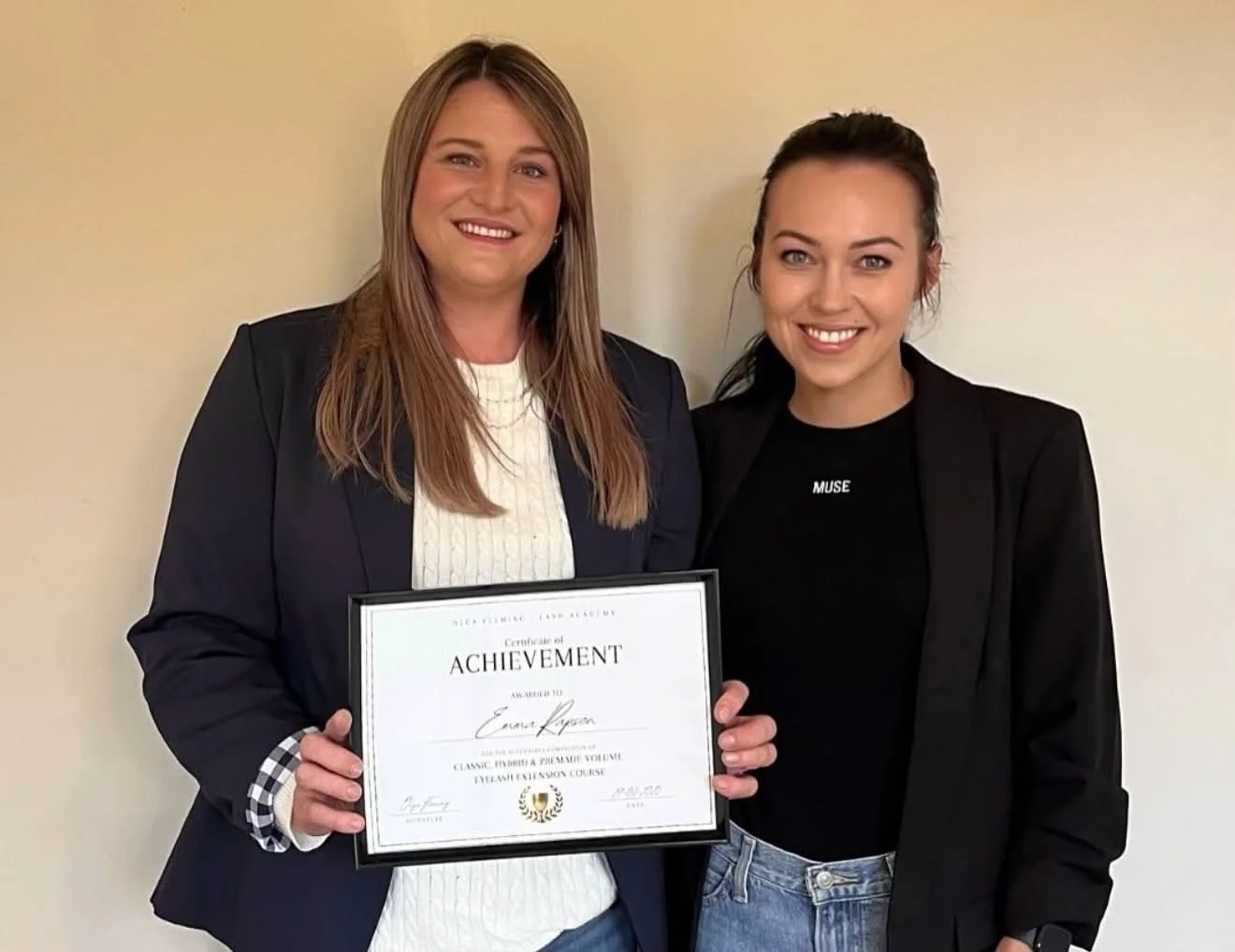
No.
A private training provider's Certificate of Completion should not automatically be confused with an NZQA qualification.
They are different credentials.
For my own lash training, students receive a Certificate of Completion after completing the relevant course requirements.
I prefer to describe it clearly rather than imply that it is a government licence or an NZQA qualification when it is not.
When comparing courses, check exactly what credential is being offered.
What Does an Accredited Lash Course Mean?
“Accredited” is another word that can cause confusion.
If a lash course describes itself as accredited, find out who has accredited it.
Accreditation can potentially come from different organisations, associations or education systems, and those are not automatically equivalent.
Do not assume that the word “accredited” means a course is recognised by the New Zealand Government or NZQA.
A training provider should be able to explain who the accrediting organisation is and what that accreditation actually means.
This is especially important if you are choosing a course specifically because you believe you need a particular credential for employment, insurance or another professional purpose.
I cover this topic in more detail in my guide to accredited lash courses in NZ.
Does a Certificate Prove Someone Is a Good Lash Artist?
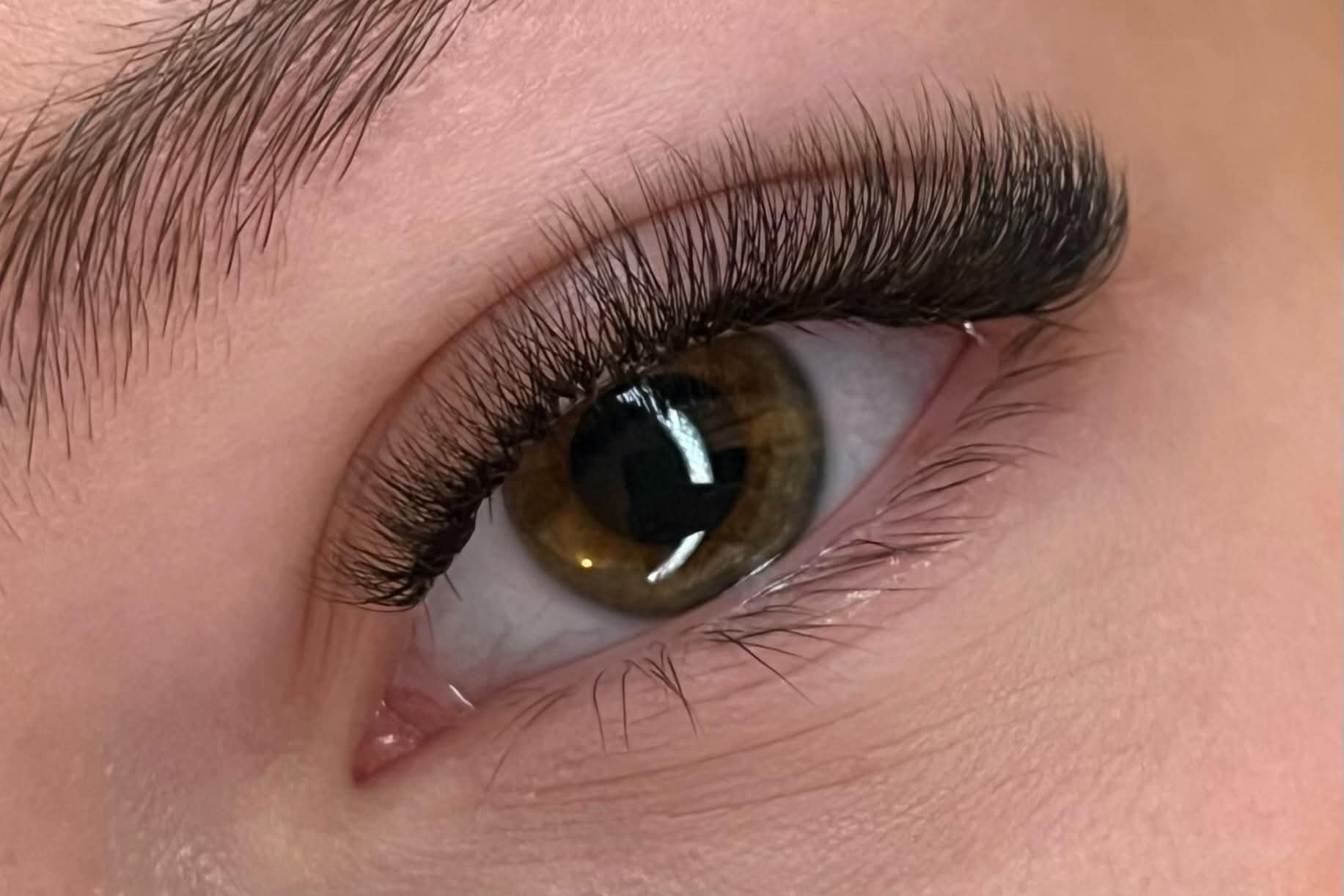
Not by itself.
A certificate can show that someone completed a particular training programme, but becoming a skilled lash technician requires practical ability.
Isolation, placement, adhesive control, styling and speed develop through practise.
Two students can complete the same course and progress at very different rates depending on how much they practise, whether they ask for feedback and how carefully they correct their mistakes.
When I teach beginners, I want them to understand that receiving a certificate is a milestone, not the end of their development.
Your technique after the course still matters.
What Should a Good Beginner Lash Course Teach?
Rather than choosing training primarily because you receive a certificate, look carefully at what the course actually teaches.
A strong beginner foundation should cover areas such as:
natural lash knowledge
hygiene and client safety
consultation
contraindications and precautions
lash products and tools
isolation
adhesive control
safe extension selection
correct placement
styling and lash mapping
checking for stickies
removal
aftercare
practical application
The exact curriculum will vary between educators and courses.
What matters is whether the training gives you enough knowledge to understand the service properly and begin practising safely.
You can read more about this in what a beginner lash course actually teaches you.
Should a Lash Course Include Practical Work?
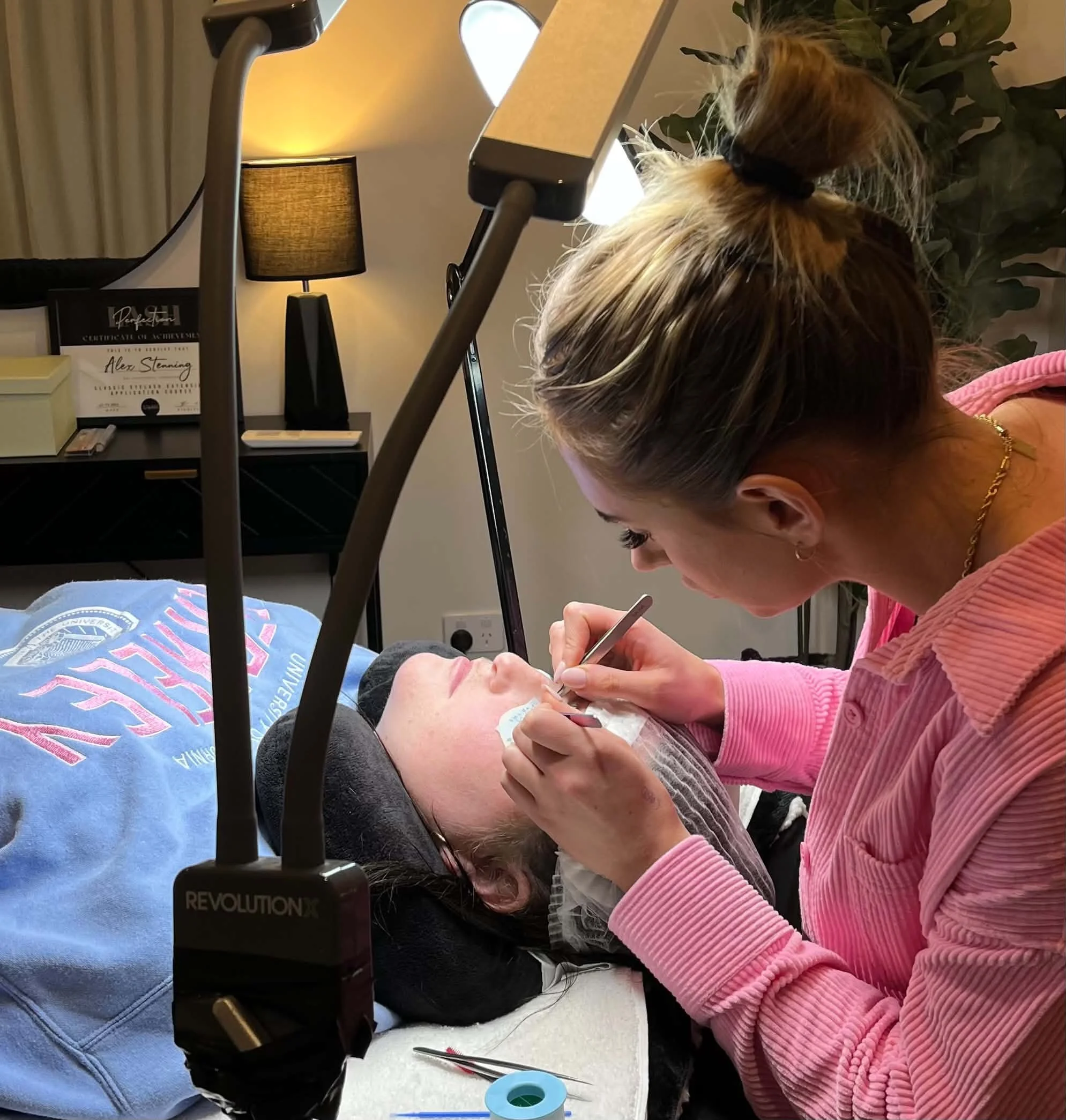
Practical work is extremely important because eyelash extensions are a hands-on skill.
You can understand the theory perfectly and still struggle when you first try to isolate a natural lash while controlling another tweezer with your opposite hand.
For in-person training, practical work may involve mannequins, practice lashes and live models.
Online students need to deliberately organise their own practise and apply what they are learning rather than simply watching the lessons.
Whichever format you choose, the real development happens when you begin using the techniques yourself.
Should You Choose a Course Based on the Certificate?
The certificate should be one consideration, but I would not make it the main reason for choosing your training.
Instead, look at the educator.
How long have they worked in the lash industry?
Can you see their own lash work?
Do they have experience teaching beginners?
What techniques are included?
Can students ask questions?
Is there practical guidance?
Can you see genuine student results or reviews?
How long can you access the training?
These details tell you much more about the learning experience than the design of the certificate.
If you are currently comparing training options, read my guide on how to choose your first lash extension course.
What Certification Do My Lash Students Receive?
Students completing my lash training receive a Certificate of Completion for their course.
My Online Lash Course is designed for beginners and teaches Classic, Hybrid and Premade Volume techniques step by step.
Students receive lifetime course access and personal support so they can continue referring back to the training and asking questions while they practise.
I also offer private one-to-one lash training in Christchurch for students who prefer practical training with me in person.
My aim is not simply to give students a certificate.
It is to give them a strong foundation they can continue building on after the course.
Can You Get Insurance With a Lash Certificate?
Insurance requirements can differ between providers and policies.
If you plan to operate a lash business, ask the insurer directly what training or documentation they require for the specific services you intend to offer.
Do this before assuming that a particular course certificate will automatically meet an insurer's requirements.
If insurance eligibility is important to you when choosing training, you can also ask the training provider what documentation students receive and then confirm its suitability directly with your intended insurer.
What About Council Requirements?
Requirements can differ depending on where you operate and the services you provide.
New Zealand does not currently have one consistent national regulatory framework covering the entire appearance industry, and Ministry of Health material notes that some councils regulate higher-risk appearance services through local bylaws while approaches vary around the country.
If you plan to operate from home or open a studio, check directly with your local council about any rules that may apply to your premises or activities.
Also consider other business requirements that may apply to your individual situation, including insurance, tax, workplace health and safety, tenancy conditions or body corporate rules.
What Should You Ask Before Enrolling in Lash Training?
Before paying for a course, ask exactly what you are receiving.
Useful questions include:
What techniques are taught?
Is the course suitable for complete beginners?
Is practical work included?
Is student work assessed?
Can I ask the educator questions after training?
How long do I have access to the course?
What certificate will I receive?
Who issues the certificate?
If the course is advertised as accredited, who is it accredited by?
Are there any additional costs for kits, models or assessments?
A professional educator should be comfortable answering these questions clearly.
Certification Is Only the Beginning
Receiving your lash certificate can be an exciting moment.
It represents completing your initial education and beginning the next stage of your development.
But your certificate will not isolate lashes for you.
It will not improve your placement, create better retention or make you faster.
Those skills come from continuing to practise what you have learned.
After training, work on models, photograph your results, ask for feedback and keep improving one area at a time.
A good course gives you the foundation.
What you build on that foundation comes next.
Ready to Start Your Lash Training?
My Online Lash Course is designed for complete beginners and teaches Classic, Hybrid and Premade Volume techniques step by step.
You'll receive lifetime access, personal support and a Certificate of Completion, so you can continue learning and asking questions while you develop your practical skills.
